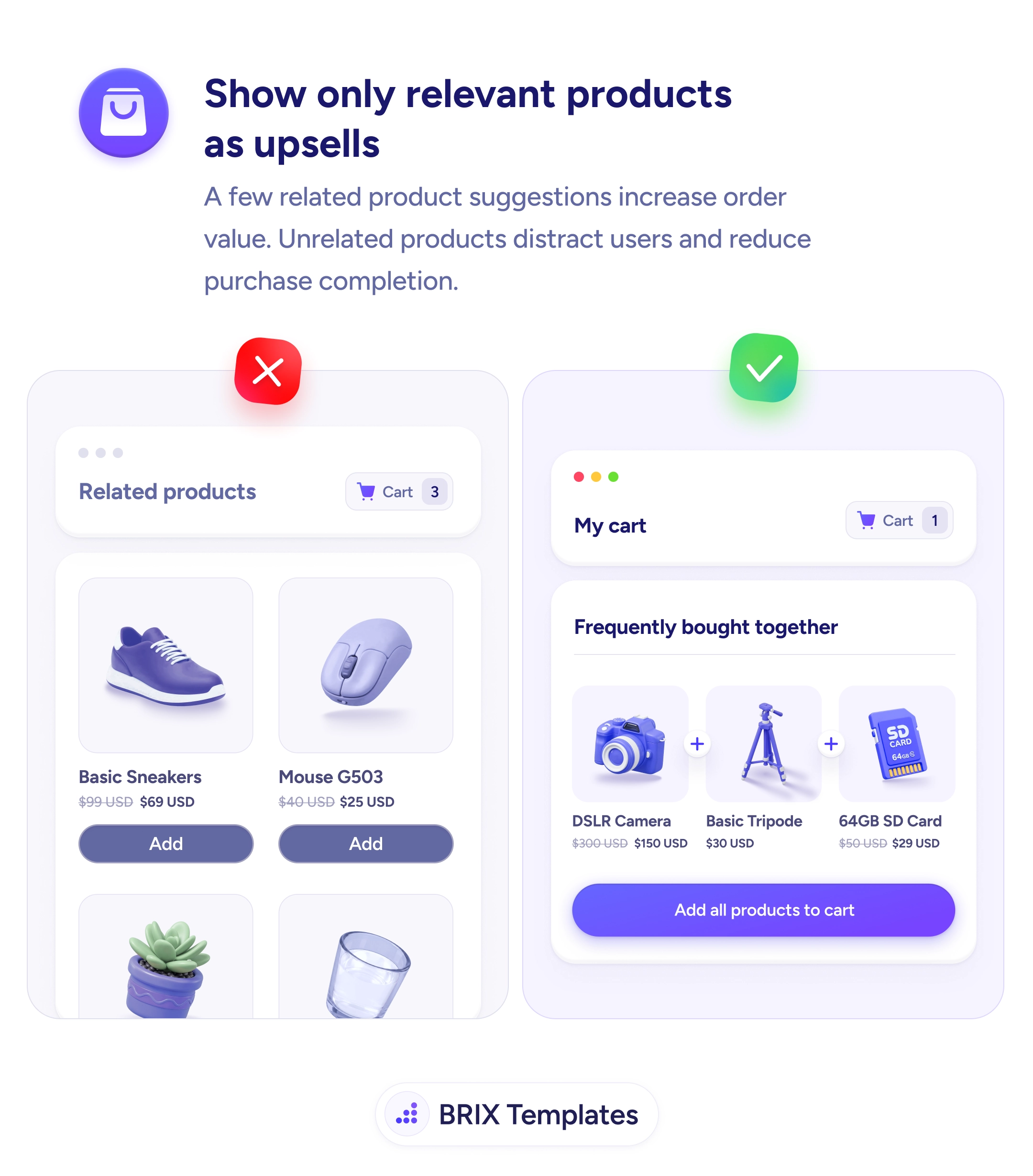
UX tip graphic titled 'Show only relevant products as upsells.' The left panel marked with a red X shows a 'Related products' section suggesting a scattered, unrelated mix — Basic Sneakers, a Mouse G503, a potted plant, and a glass — none of which relate to each other or to the cart. The right panel marked with a green checkmark shows a 'My cart' panel with a 'Frequently bought together' bundle that complements the main item — a DSLR Camera paired with a Basic Tripod and a 64GB SD Card — under a single 'Add all products to cart' button. BRIX Templates branding at the bottom.

Checkout & payments

A few genuinely related add-ons lift the order; a wall of random products just gets ignored

Random suggestions distract buyers. Show a few genuinely complementary upsells — accessories for the item already in the cart — to raise order value.

How to show only relevant products as upsells

A cart page that fills its “Related products” slot with whatever’s popular — sneakers, a mouse, a plant, a glass — beside a camera is offering noise, not help. When suggestions have nothing to do with what the shopper is buying, the section reads as generic advertising and gets tuned out. Worse, an overloaded grid of unrelated items adds clutter and decision fatigue right where the buyer should be heading to checkout.

The fix is to show a small set of genuinely complementary products. For a camera, that’s a tripod, an SD card, a case — a “Frequently bought together” bundle that completes the purchase the shopper already intends. A short, relevant offer feels like the store anticipating a need, not padding the order. And because the items obviously belong together, a single “Add all” action can lift order value without any hard sell.

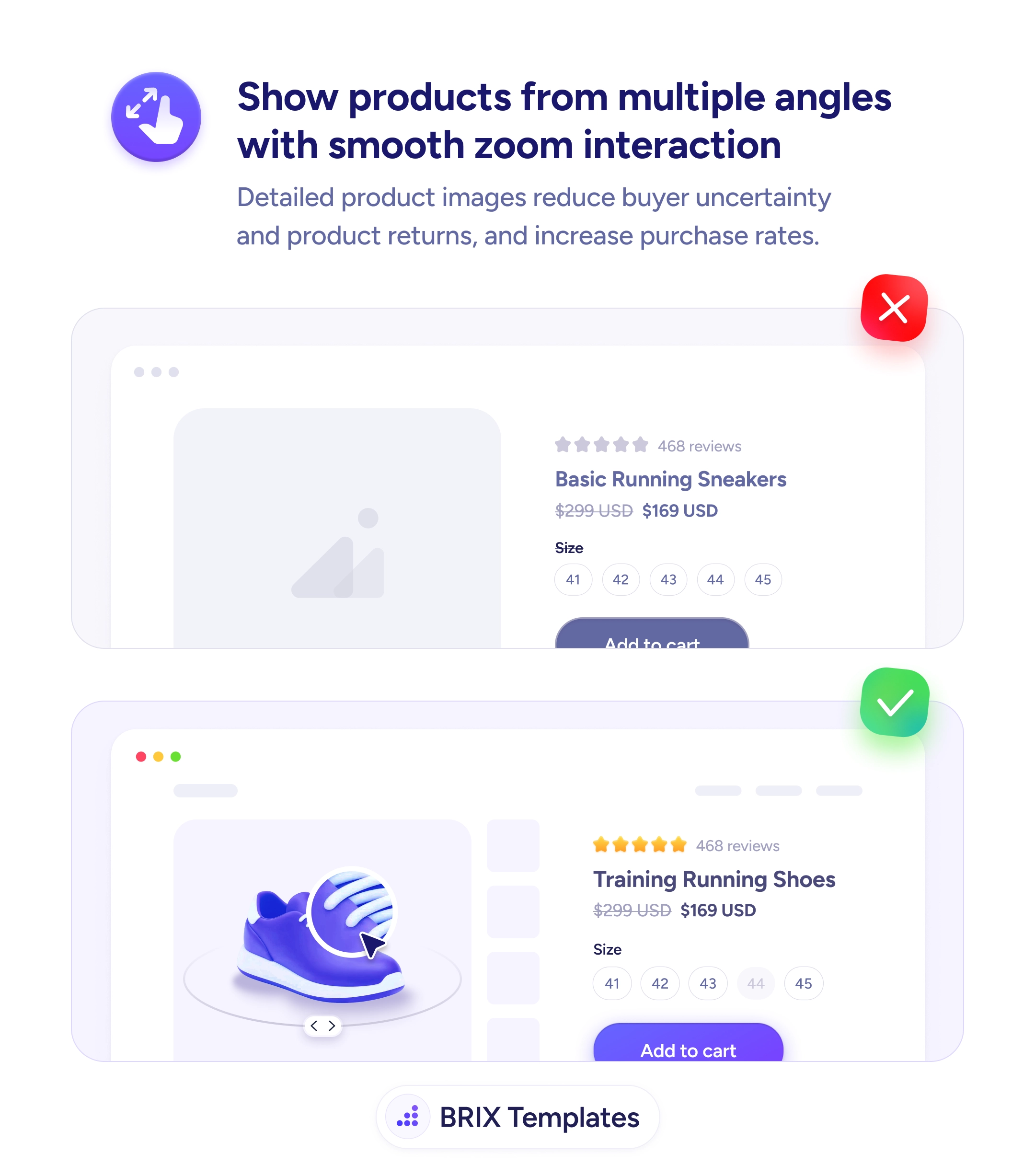
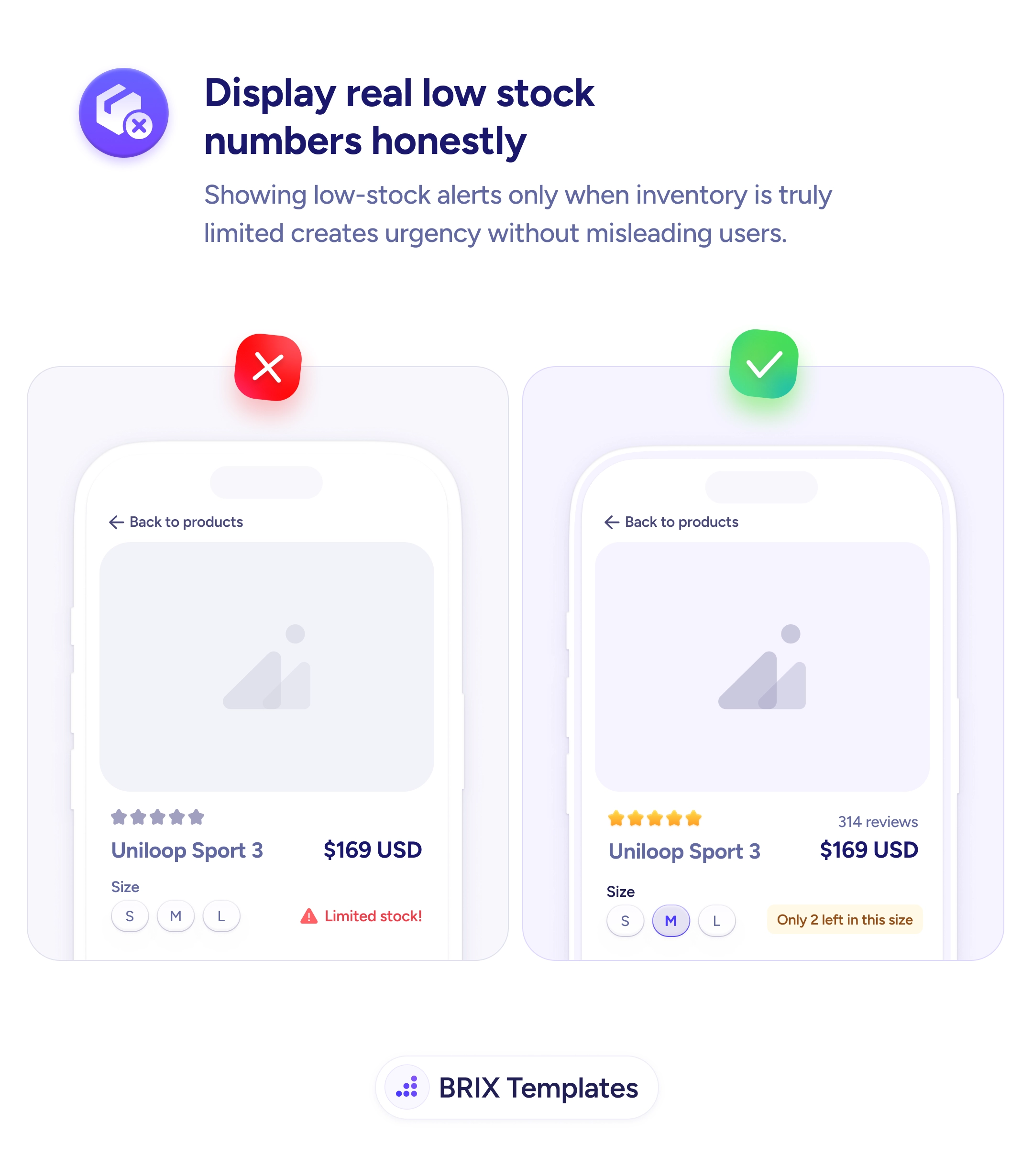
Start by tying each suggestion to the item in the cart — accessories, refills, or the natural next purchase — rather than a sitewide bestseller list. Keep the set short: two or three strong matches beat a scroll of maybes. Give buyers enough to judge each add-on the way a clear product gallery reduces doubt, and keep the tone honest — relevance earns the extra sale the same way honest low-stock signals earn trust instead of spending it.

  • Match every upsell to the cart — complements of the current item, not sitewide bestsellers.
  • Keep the set small — two or three strong matches beat a long grid of maybes.
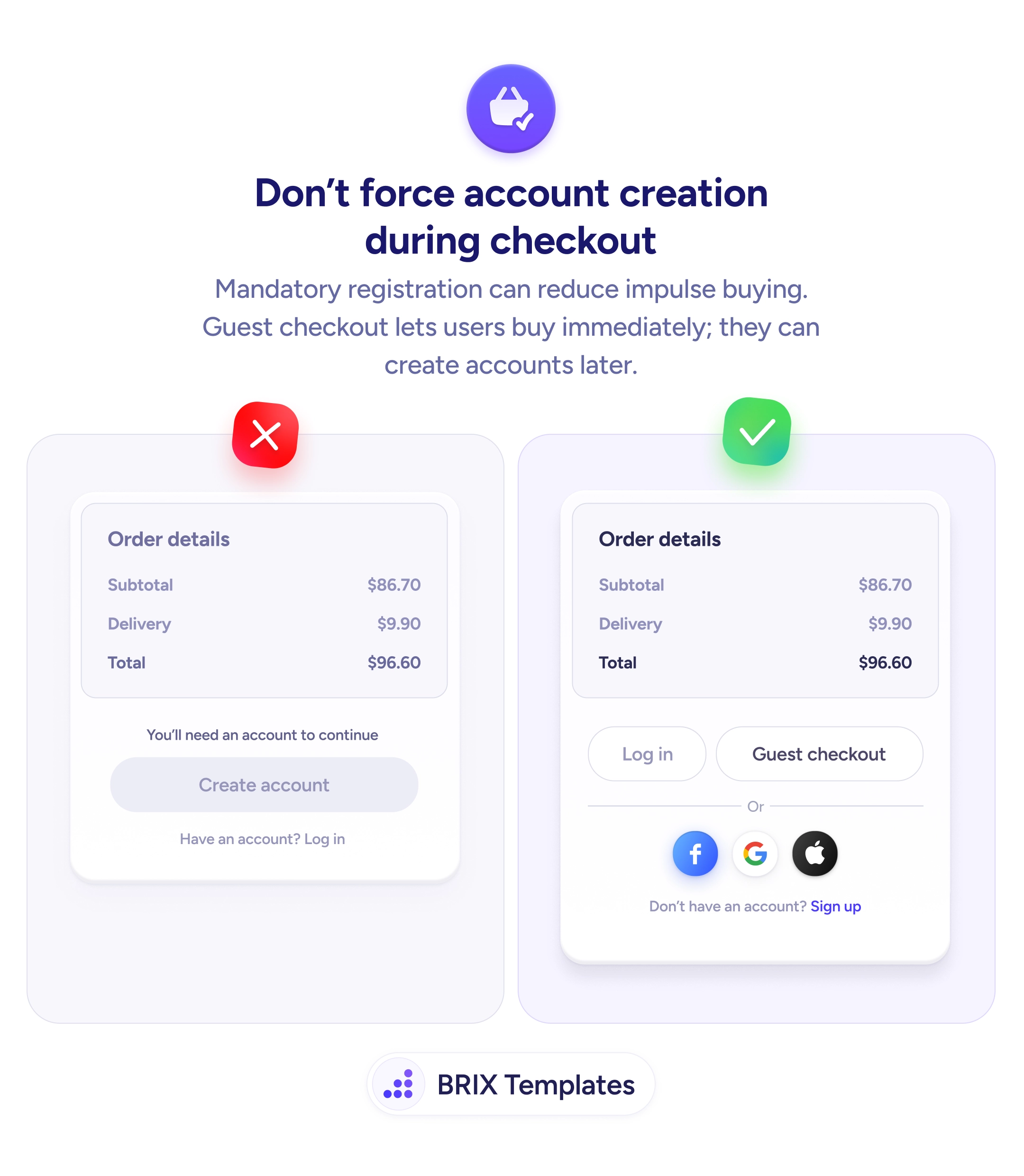
  • Frame them as “bought together” so the bundle reads as completing the purchase.
  • Offer a one-tap “Add all” when items genuinely belong together to lift order value effortlessly.
  • Cut the clutter near checkout — irrelevant suggestions distract from the completion that matters most.

Frequently asked questions

How many upsell products should I show?

Few — typically two to four. The goal is a curated, obviously relevant set the buyer can evaluate at a glance, not a catalog to browse. Long lists dilute the strong matches and add friction at the exact point you want the buyer moving toward checkout. Quality of match beats quantity of options.

What makes a product a good upsell?

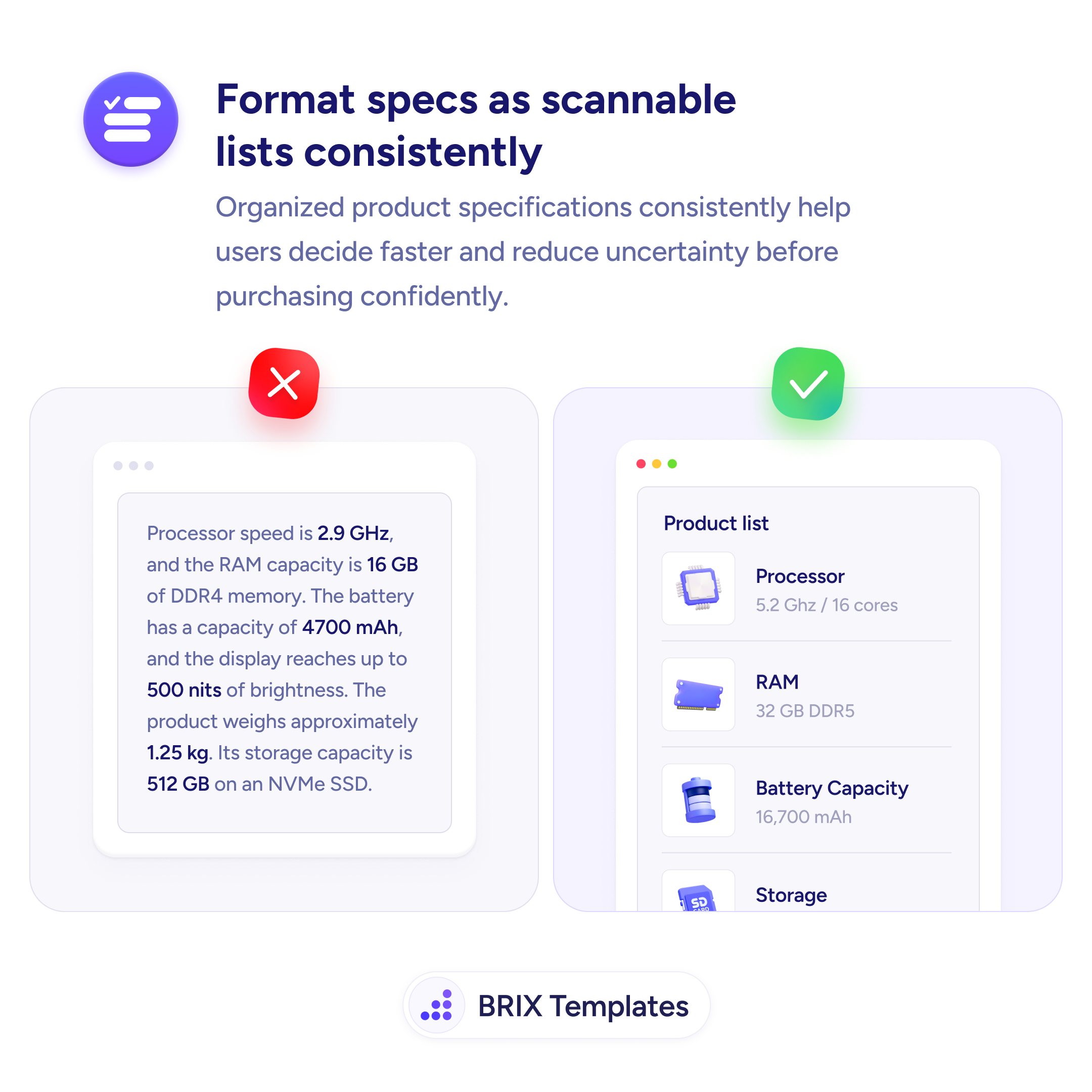
Genuine complementarity to what's in the cart — accessories, consumables, protection plans, or the obvious next item. A tripod and SD card for a camera work because they complete the use case. Ask whether a real buyer of the cart item would plausibly want this too; if the answer is 'only by coincidence,' it doesn't belong.

Where should upsells appear — cart, product page, or after purchase?

All three can work, at different moments. On the product and cart pages, complementary items help complete the purchase before checkout. After purchase, the thank-you page is a low-risk place for a follow-on offer since the buyer is already committed. Match the offer's intent to the moment rather than repeating the same block everywhere.

Won't upsells annoy buyers and hurt conversion?

Irrelevant or aggressive ones will — a wall of unrelated products or a pushy interstitial adds friction and distrust. A small, clearly relevant set presented as helpful ('Frequently bought together') tends to do the opposite: it feels like anticipation of a need. The line is relevance and restraint, not the presence of an offer at all.