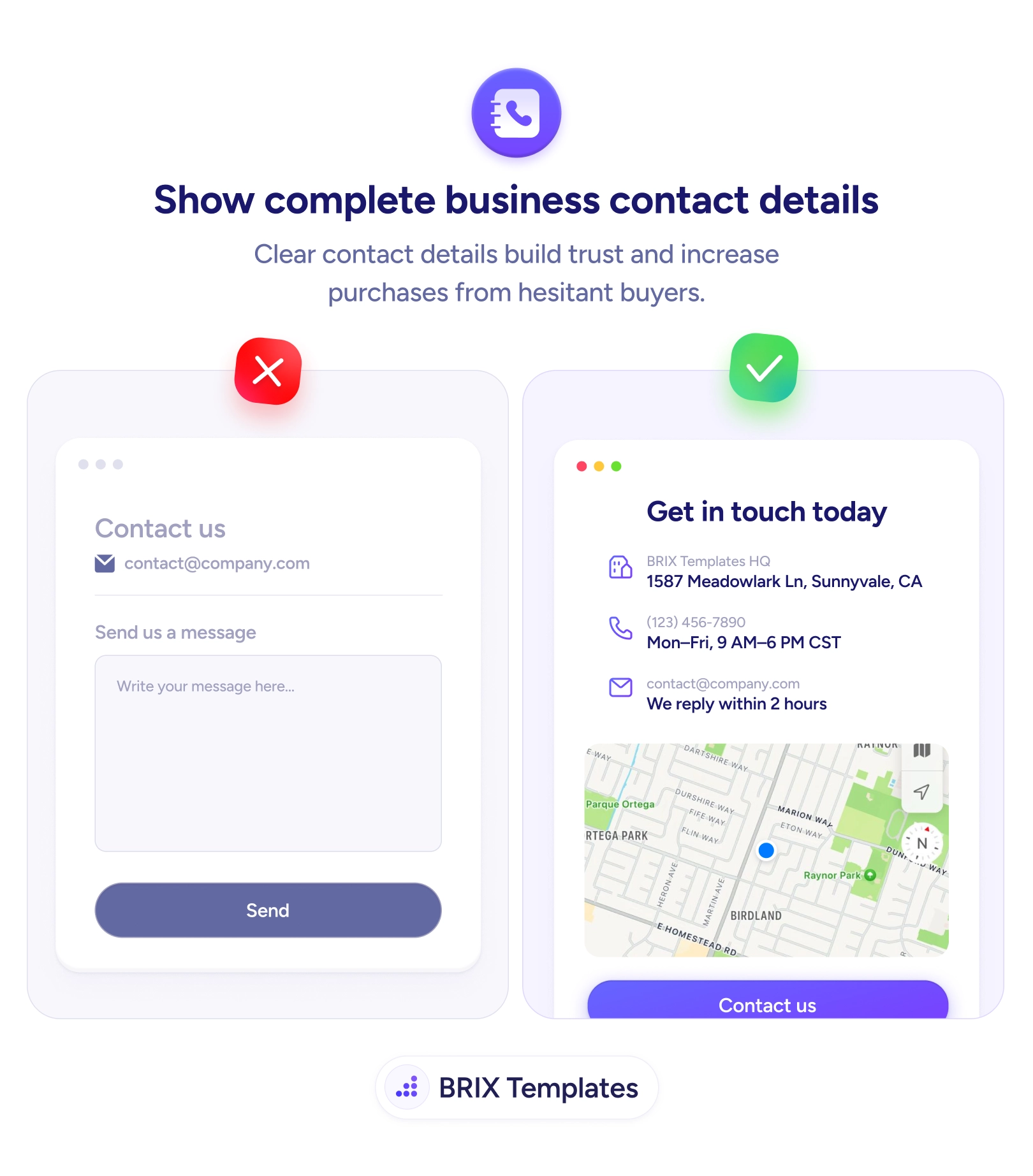
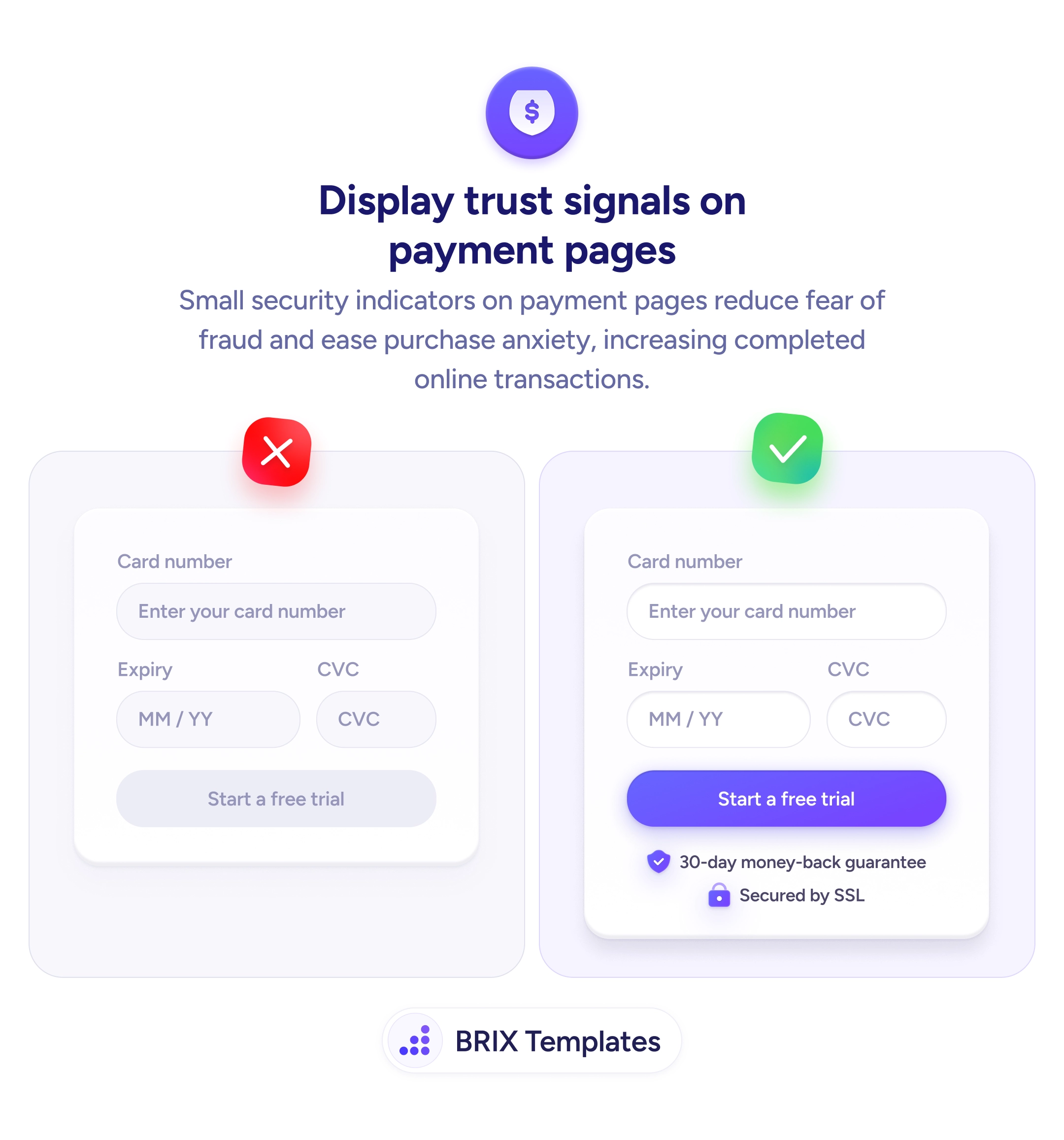
When a contact page offers nothing but an email field and a blank form, it quietly raises the question it was meant to answer: who is behind this? A cautious buyer — especially one about to pay — wants evidence that there’s a real, accountable business they can reach if something goes wrong. A form that collects messages while disclosing nothing about the company can read as evasive rather than helpful, and that uncertainty is enough to make a hesitant visitor close the tab instead of converting.
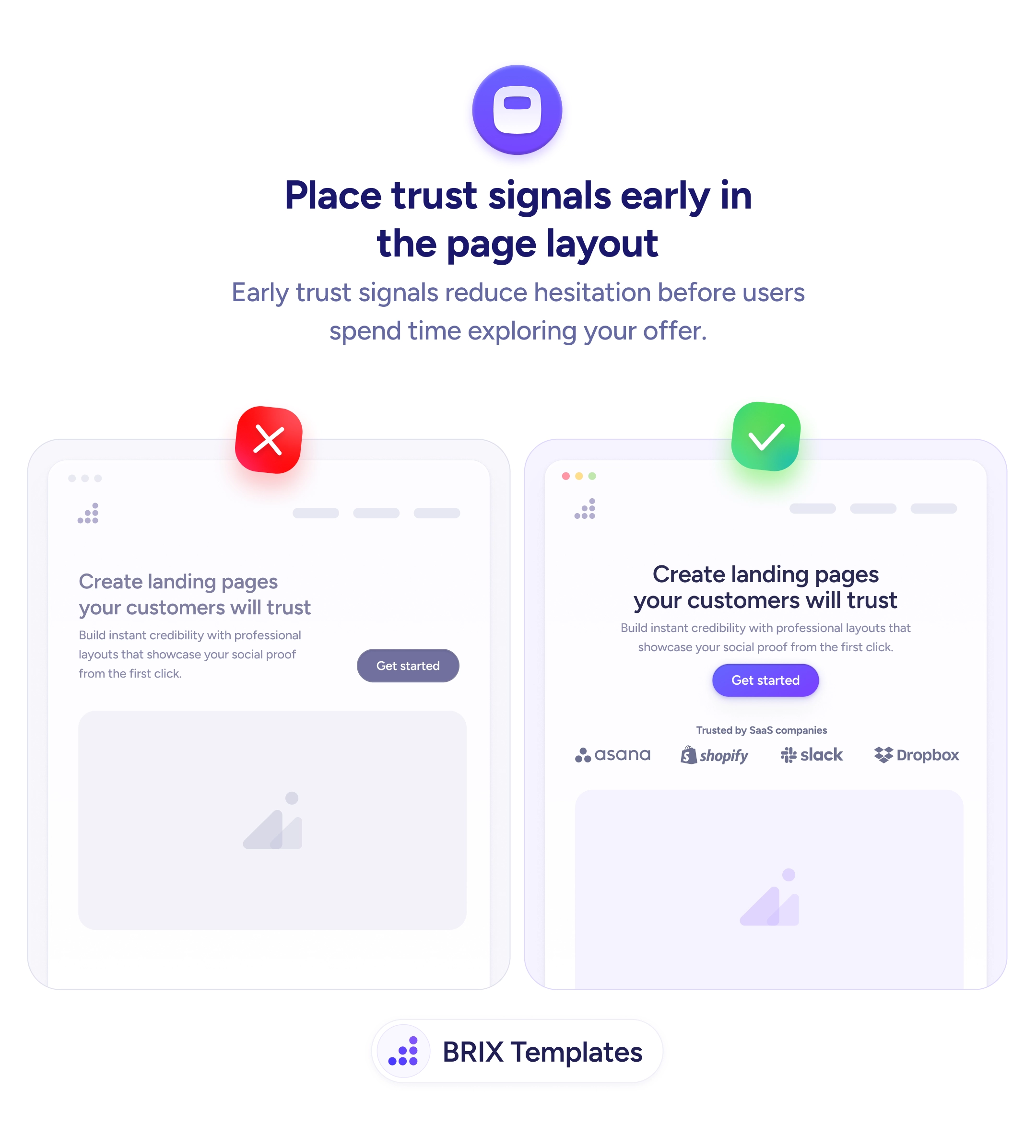
The fix is to show complete, concrete contact details. A physical address with a map, a phone number with business hours, an email with a stated “we reply within 2 hours” — together these prove the company exists in the real world, runs on a known schedule, and answers. The form can stay for convenience, but it’s the surrounding details that build credibility. Complete contact information is a trust signal in its own right, which is why it pays to treat it like one and place it where it earns attention.
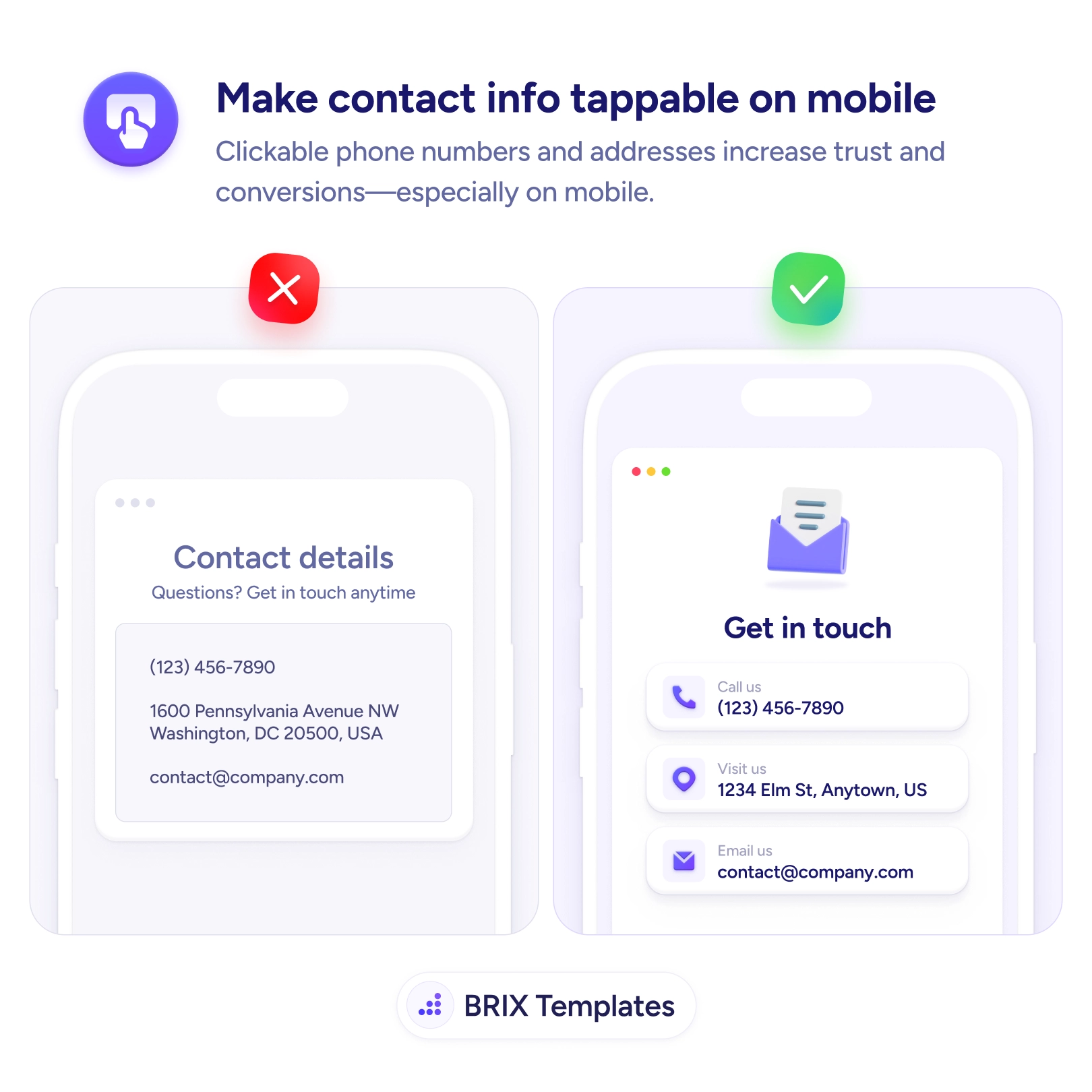
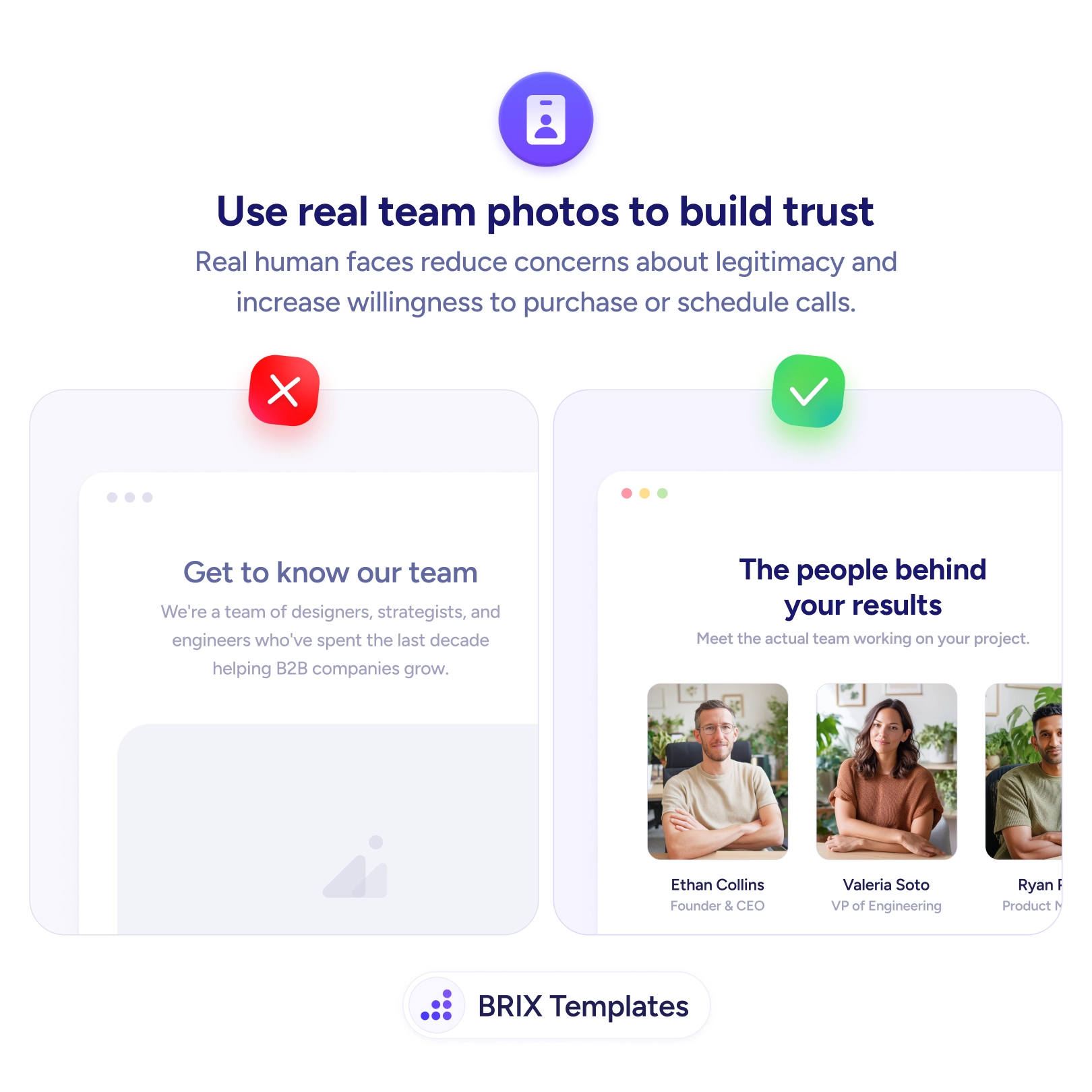
Start by gathering every reachable detail that’s genuinely true — address or registered location, phone, hours with time zone, response time — and presenting them clearly alongside the form. Embed a map to reinforce the address. Make each one tappable on mobile so a call or email is one touch away. The same honesty that shows a real address pairs naturally with real team photos that show real people behind the work.
- Show a physical address — with a map — so the business is visibly real and locatable.
- List a phone number and hours, including the time zone, so reachability is concrete.
- State an expected response time so visitors know a real team is on the other end.
- Keep the form for convenience, but never let it stand alone without the details.
- Show only what’s true; a remote company can still prove real people respond on a schedule.
Buyers extend trust to companies that don’t hide. Put your real address, phone, hours, and response time on the page next to the form, and you answer the quiet “is this legit?” that otherwise stops a cautious visitor from ever reaching out.